Build · Jun 2026
A Firefly in every light.
Titanium road build. One bike to do everything. Brushed finish. No paint. No decals.
Firefly Bicycles
This document defines the strategic design direction for Field Scout.
It explains what the brand is, what kind of presence it should have, and why the visual system works the way it does.
This is a direction document, not a guideline document and not a voice handbook. Its job is to define the idea, the posture, and the proof surfaces that make the system coherent.
Field Scout is the editorial surface of the system.
It covers road and gravel cycling through selection, framing, and point of view. It is built on taste, curation, and editorial voice.
It is not a cycling site in the usual sense. It should not feel like a reviews site, a rankings site, an affiliate content machine, a product-comparison destination, or a generic bike-media template.
It should feel like an authored editorial brand with discipline.
Field Scout should feel selective, assured, editorial, materially attentive, visually literate, contemporary, restrained, and independent.
Field Scout should not feel loud, sporty, macho, startup-derived, content-farm generic, outdoor-brand coded, overly polished in a luxury way, or eager to prove its own taste.
Field Scout is not defined by breadth. It is defined by judgment.
The site should feel like a place where someone with clear taste is pointing at what matters: the bike, the build, the detail, the route, the shop, the event, the person, the decision.
The design has to support that role. It should not behave like a feed. It should not behave like a dashboard. It should not behave like a magazine homepage optimized for volume.
It should behave like a deliberately sequenced editorial surface.
The structural grammar of Field Scout is the register system. It is built from two overlapping horizontal bars derived from the mark itself.
The only elements that break the page width. They mark formal shifts in register: content to content, content to newsletter, editorial to reference, page body to footer.
Entry openers. They sit below the image and above the metadata/title stack. They make the entry feel placed, not dropped into a feed. They also control typography: no shelf bar, no serif.
Faint single hairlines. Shelf bars open. Closers close. Those two functions should never collapse into one generic divider.
The FSCC mark is a stepped-bar monogram: FS above-left, CC below-right, two overlapping horizontal bars connecting them.
The bars extend beyond the letterforms. The overlap is the point. The mark should feel infrastructural rather than illustrative.
The typographic system depends on contrast, restraint, and hierarchy.
DM Serif Display is used for editorial emphasis. It appears when a shelf bar has earned it. The serif is not decorative. Its scarcity is what gives it force.
Inter is used for compact titles, navigation, and general interface structure. It should feel clean, contemporary, and controlled.
IBM Plex Mono is used for metadata, labels, and utility language. Mono should sharpen the system, not turn into texture. Support text must remain readable.
Photography carries much of the brand atmosphere.
It should feel observational, calm, materially attentive, lightly atmospheric, and editorial rather than commercial. Photography should dominate the viewport where it appears.
The image comes first. Then the shelf bar. Then the metadata. Then the title. That sequence is the entry rhythm.
Field Scout shares material DNA with the manual, but uses it differently. The palette is titanium-led. In the manual, color classifies. In Field Scout, the same palette supports warmth and editorial restraint in the metadata layer. Color should not become decorative flourish.
The direction has to prove itself across actual surfaces.
A curated stream combining image-led entries, compact entries, horizon-bar transitions, a bridge into the manual, and newsletter moments. The order should feel edited, not automated.
Strong image presence, shelf-bar opening rhythm, controlled serif usage, quiet metadata, disciplined spacing.
Field Scout should be able to state what it is and what it is not without sounding like marketing copy. That page should prove editorial independence, selection logic, and the relationship to the manual.
The bridge into the manual is part of the Field Scout system. Same discipline, different role, no confusion between editorial surface and explanatory surface.
The mark must survive at reduced scale. Social use should feel like a compression of the system, not a separate graphic language.
Field Scout and the manual are part of the same system, but they do different jobs.
Field Scout points. the manual explains.
Field Scout is the editorial surface. It selects, notices, and frames. the manual is the explanatory surface. It defines, answers, and verifies.
The two should feel related in discipline, but distinct in function and tone.
This direction should not become a category-correct cycling site, a performance of cool, a trend deck, a luxury-fashion parody, a startup media product, or a generic editorial grid with bike photography dropped in.
The system should feel authored, restrained, and structurally confident.
If a choice makes Field Scout feel more designed but less assured, reject it.
If a choice makes it feel more like a feed, reject it. If a choice makes it look like category media instead of an editorial brand, reject it.
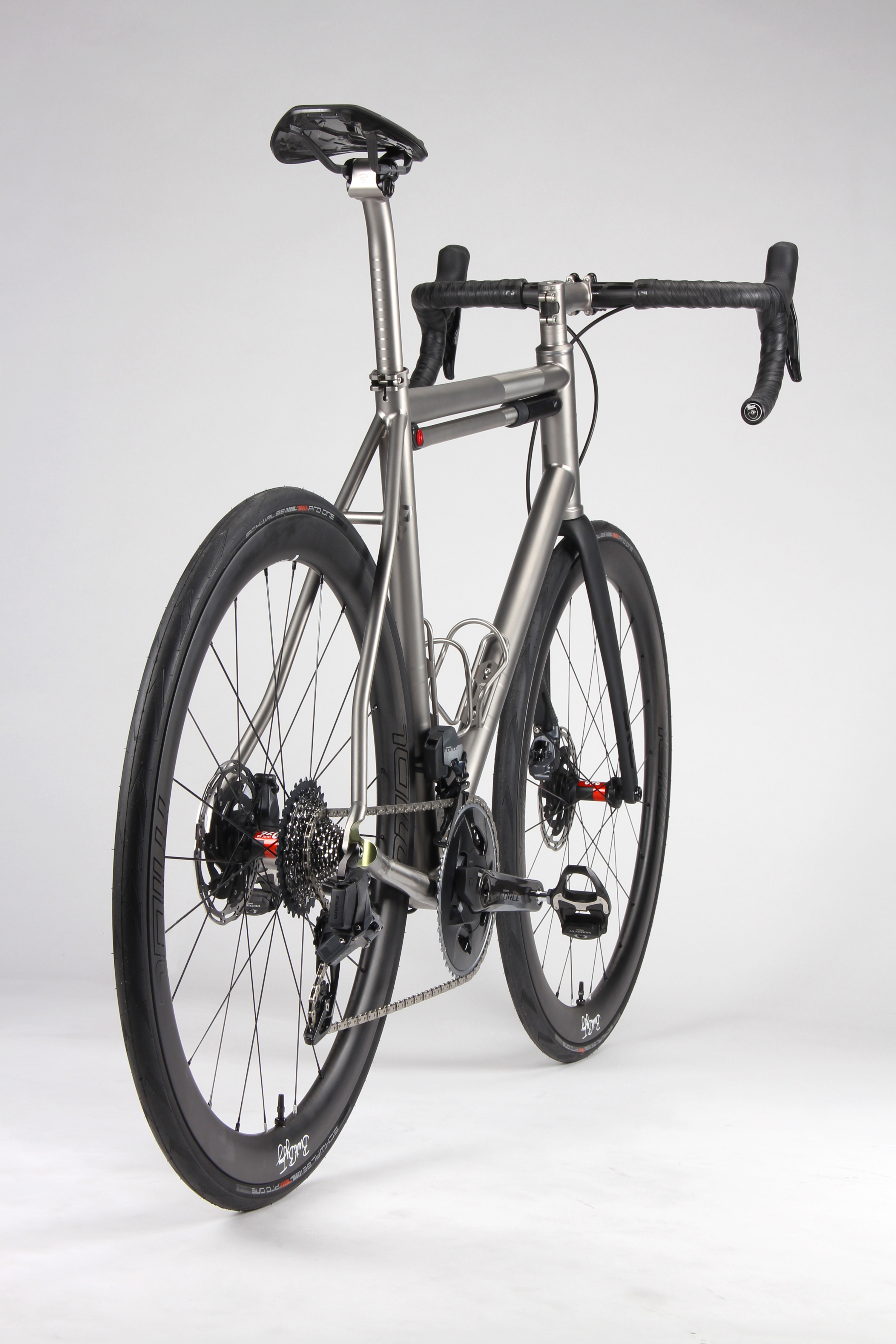
The brief was one bike. Road geometry tight enough for crits, compliant enough for all-day. No aero integration. Just tubes, a fork, and space for 32s.
Firefly builds in Boston. Everything TIG-welded in-house. The fitting process takes two sessions and a box of data from years of riding.
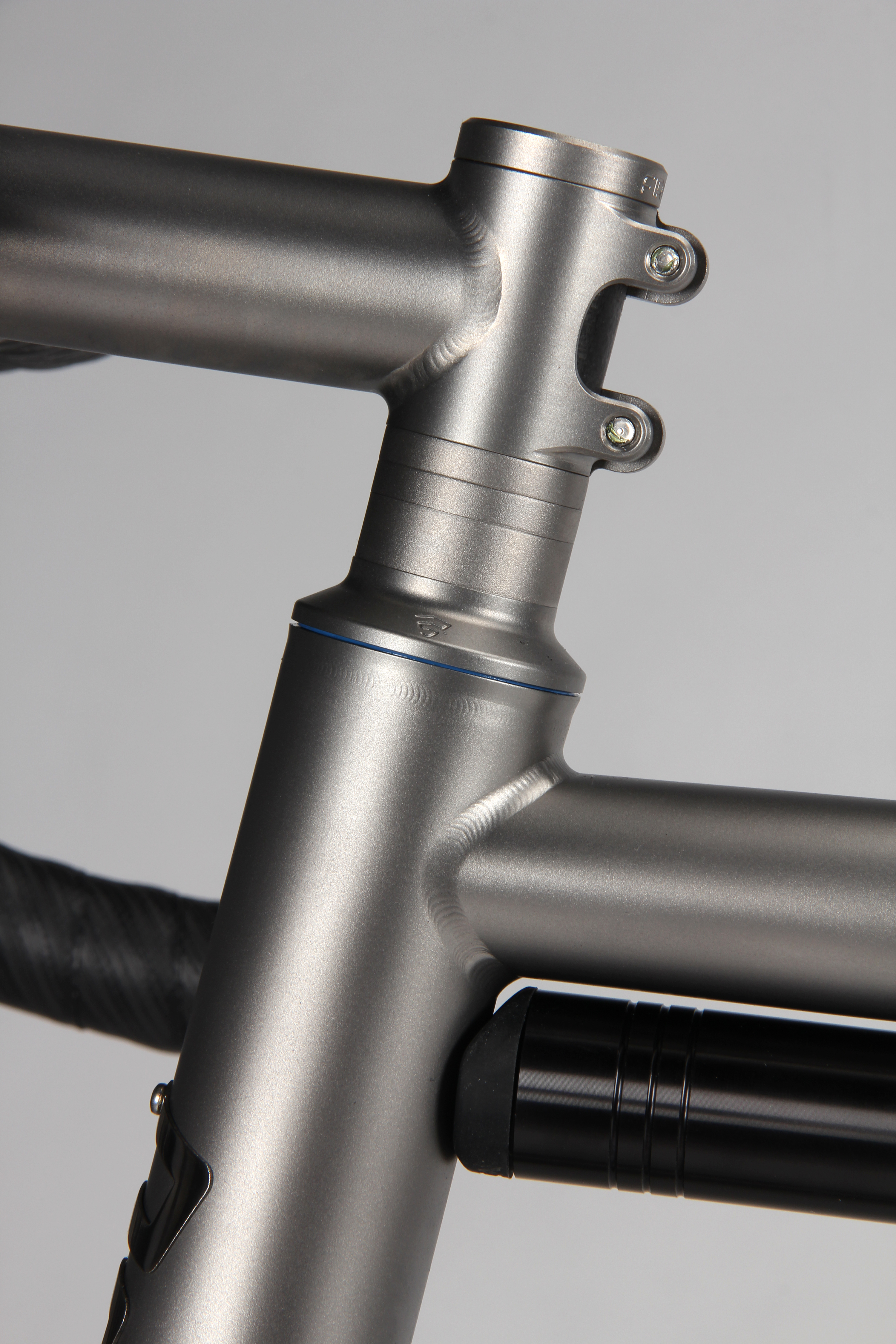
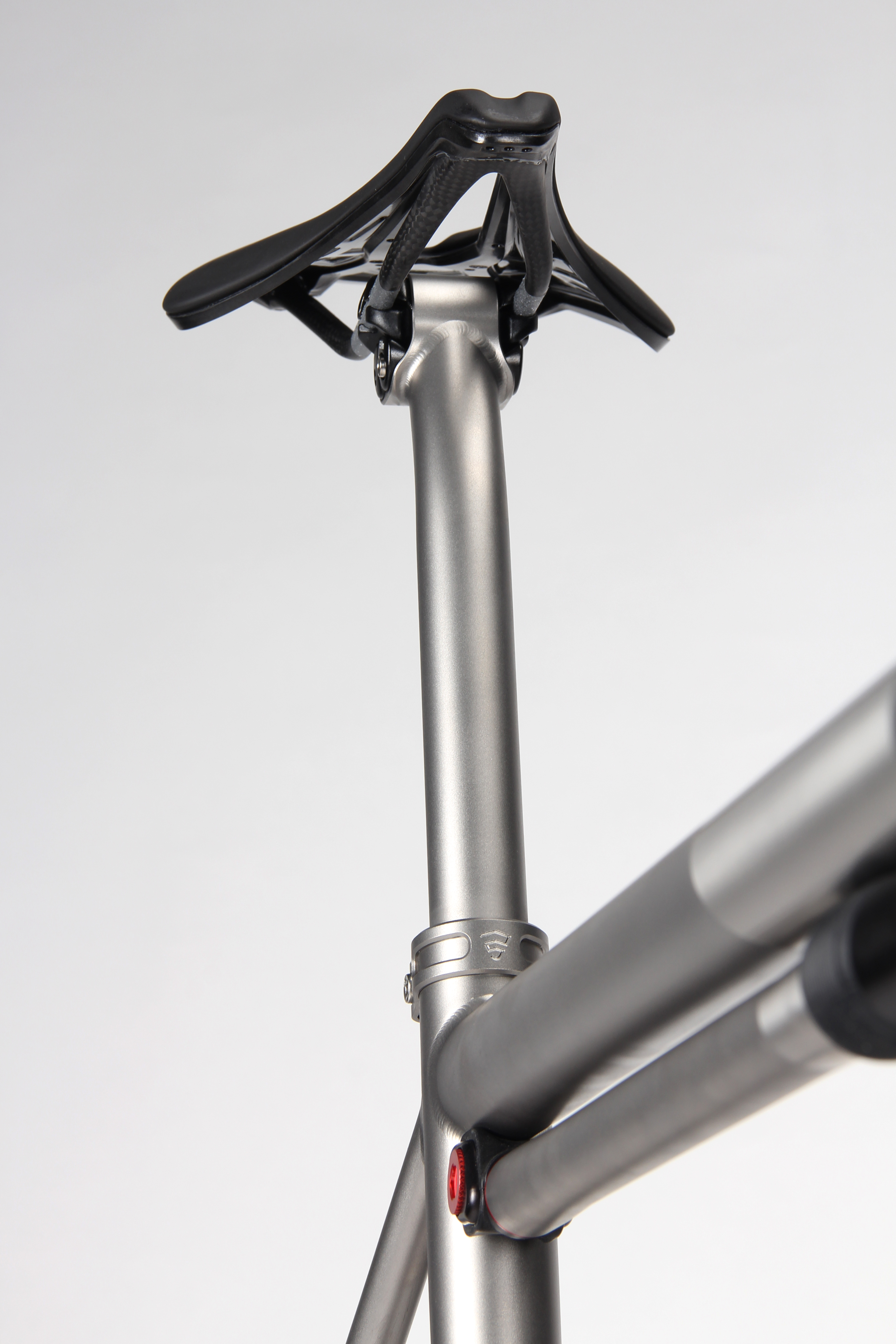
3Al-2.5V titanium. The head tube is bead-blasted at the welds, brushed everywhere else. Two textures, one material. The transition is the weld itself.
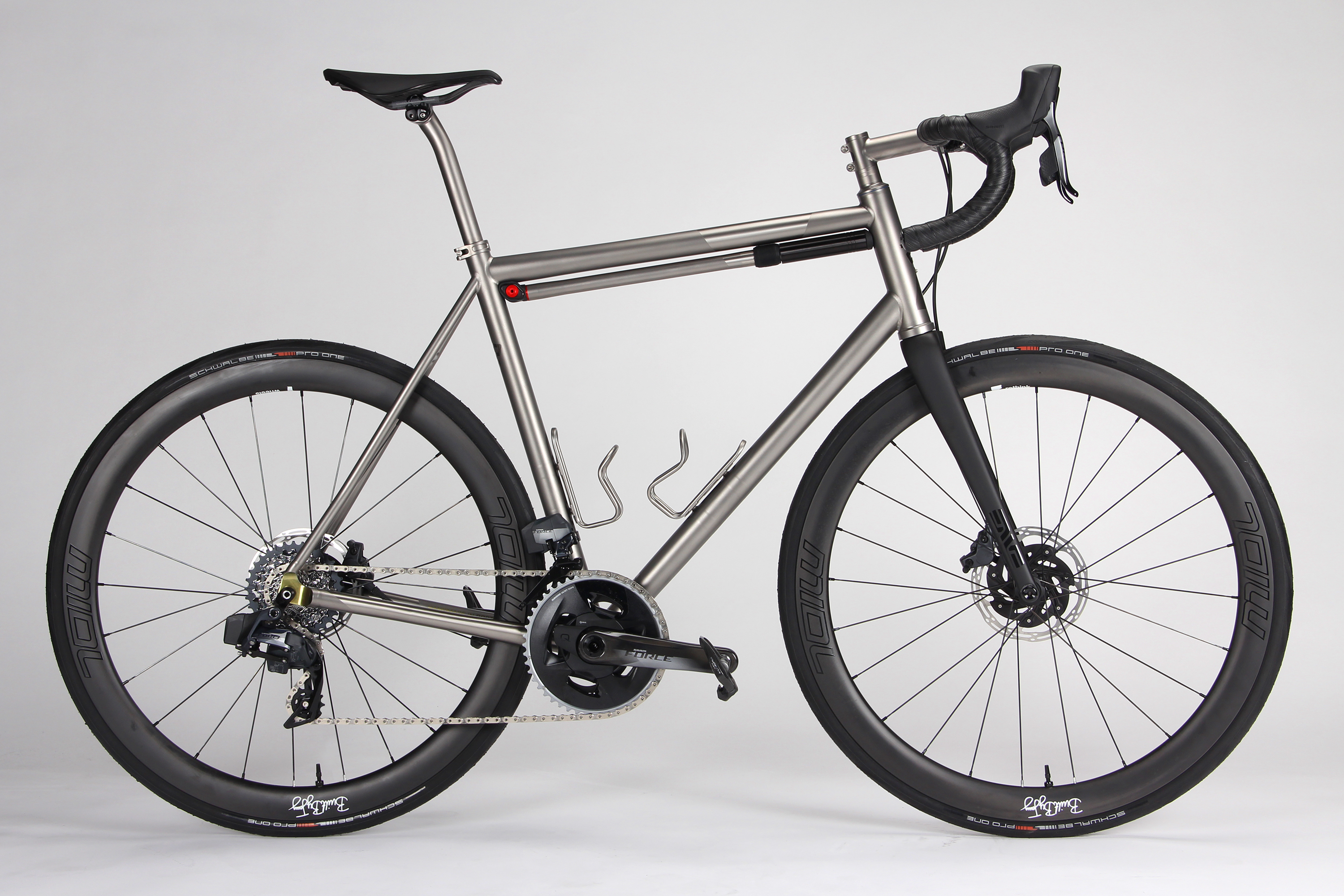
SRAM Red AXS. Enve wheels, bar, stem. The finishing kit is monochrome. Black components on raw titanium. Nothing competes with the frame.
The brief was one bike. Road geometry tight enough for crits, compliant enough for all-day. No aero integration. Just tubes, a fork, and space for 32s.
Firefly builds in Boston. Everything TIG-welded in-house. The fitting process takes two sessions and a box of data from years of riding.
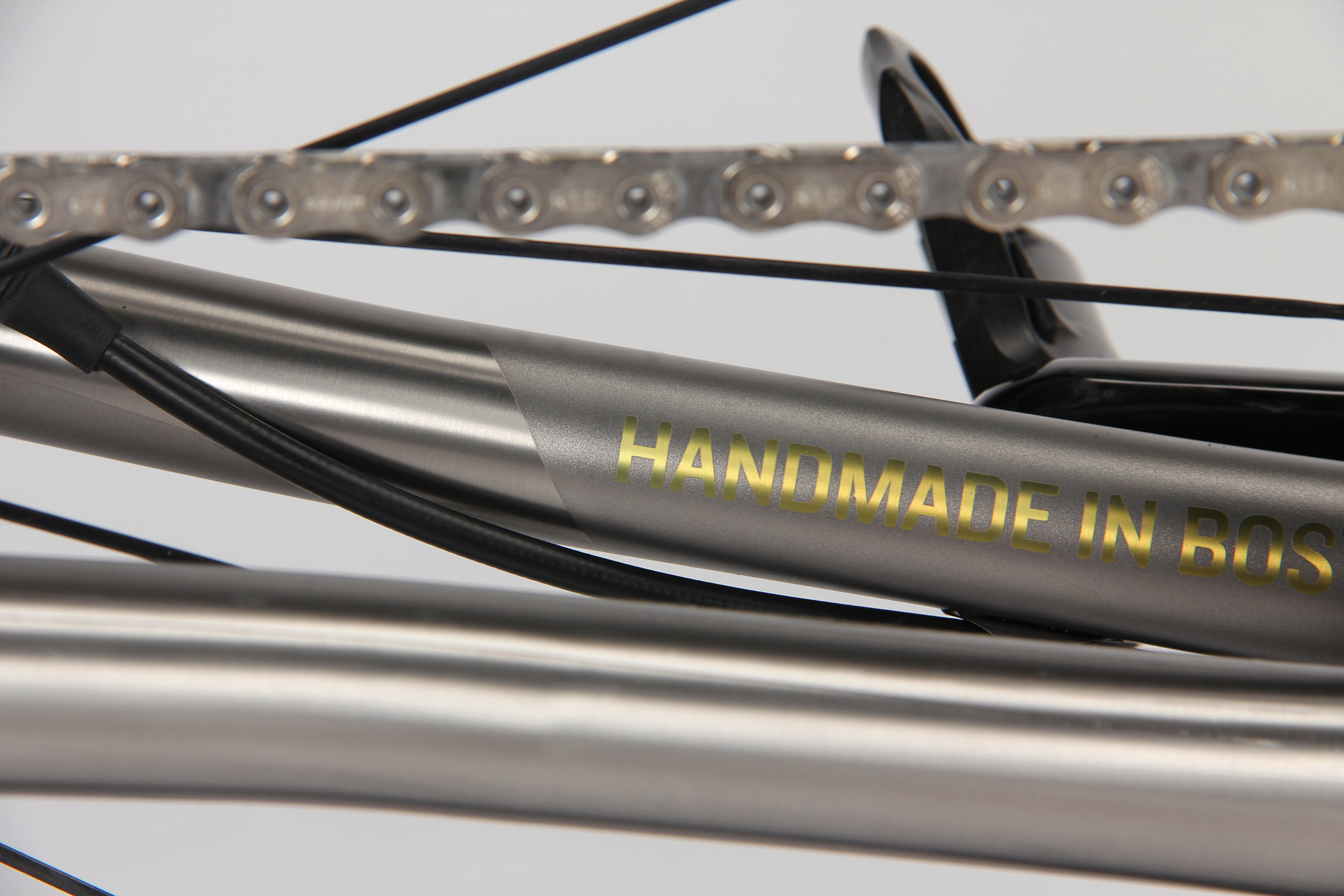
3Al-2.5V titanium. The head tube is bead-blasted at the welds, brushed everywhere else. Two textures, one material. The transition is the weld itself.
SRAM Red AXS. Enve wheels, bar, stem. The finishing kit is monochrome. Black components on raw titanium. Nothing competes with the frame.
Field Scout covers road and gravel cycling with taste, not hype. The bikes, the gear, the builders, the shops, the routes, and the races.
No listicles. No SEO bait. No affiliate-first reviews disguised as editorial.
Independent. We take sponsors, not instructions. The newsletter goes out Tuesdays. The editorial calendar answers to readers, not brands.
The FSCC monogram is two letters over two letters -- FS above, CC below -- connected by a pair of overlapping horizontal bars. The bars extend past the letterforms. They're roads, not frames.
The overlap in the middle is the point. Two horizons visible from the same position. The road you're on and the road you're watching.
The name is literal. Field Scout Cycling Club. Scouting the field -- the gear, the builders, the routes, the races -- and reporting back to people who care about the details.
Field Scout covers road and gravel cycling with taste, not hype. The bikes, the gear, the builders, the shops, the routes, and the races.
No listicles. No SEO bait. No affiliate-first reviews disguised as editorial.
Independent. We take sponsors, not instructions. The newsletter goes out Tuesdays. The editorial calendar answers to readers, not brands.
The FSCC monogram is two letters over two letters -- FS above, CC below -- connected by a pair of overlapping horizontal bars. The bars extend past the letterforms. They're roads, not frames.
The overlap in the middle is the point. Two horizons visible from the same position. The road you're on and the road you're watching.
The name is literal. Field Scout Cycling Club. Scouting the field -- the gear, the builders, the routes, the races -- and reporting back to people who care about the details.
Field Scout Cycling Club ("FSCC", "we", "us") operates fieldscout.cc and the manual. This policy describes what data we collect, why, and how we handle it.
Your email is used to send the Tuesday newsletter. That's it. We don't sell, share, or rent your information to anyone.
Unsubscribe from any email with one click. Request deletion of your data by emailing privacy@fieldscout.cc.
Field Scout Cycling Club ("FSCC", "we", "us") operates fieldscout.cc and the manual. This policy describes what data we collect, why, and how we handle it.
Your email is used to send the Tuesday newsletter. That's it. We don't sell, share, or rent your information to anyone.
Unsubscribe from any email with one click. Request deletion of your data by emailing privacy@fieldscout.cc.